

Bartzella Peony
Original price was: $64.99.$45.49Current price is: $45.49.
- Quality products, fair prices.
- Free Shipping over $25
- Top-Notch Quality
- Shop with Zero Worries

Sturdy, Heavy-Blooming Yellow Peony
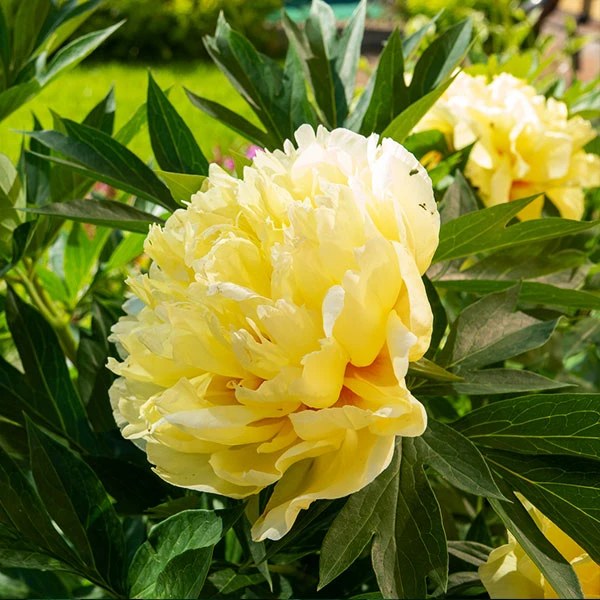
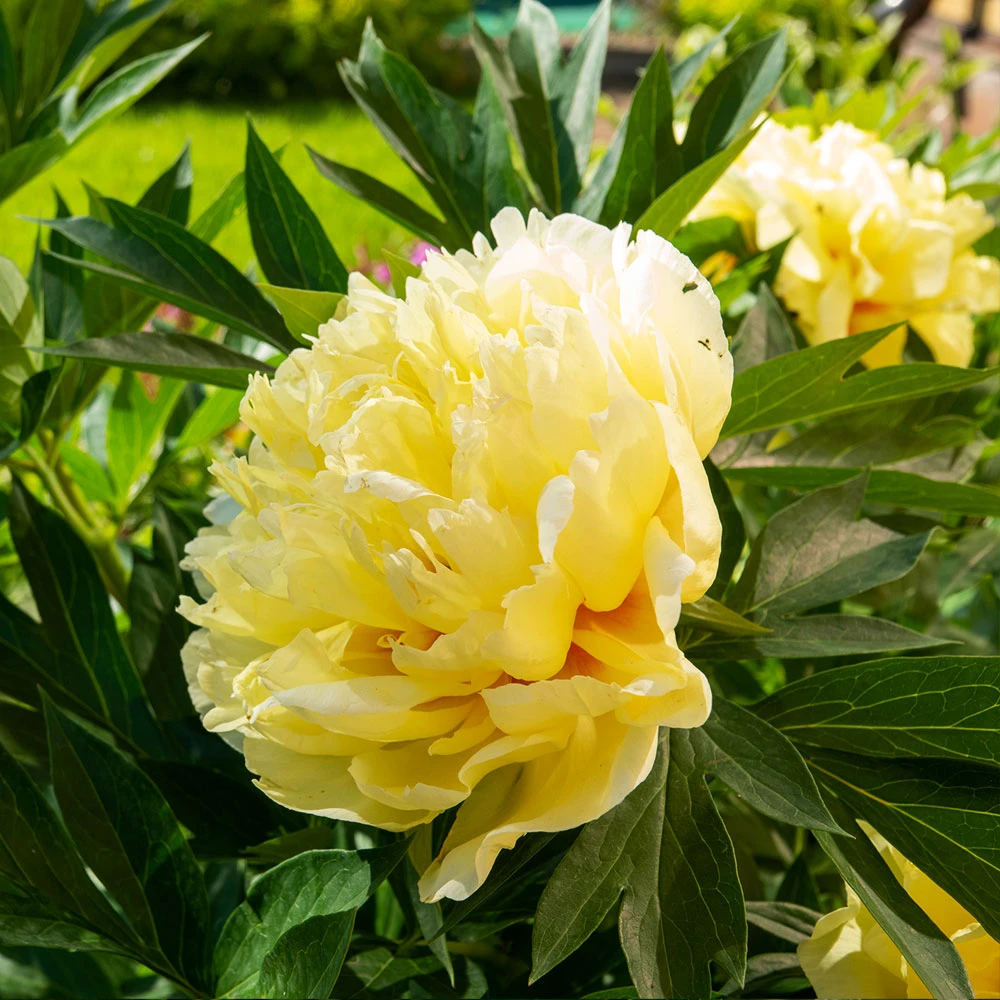
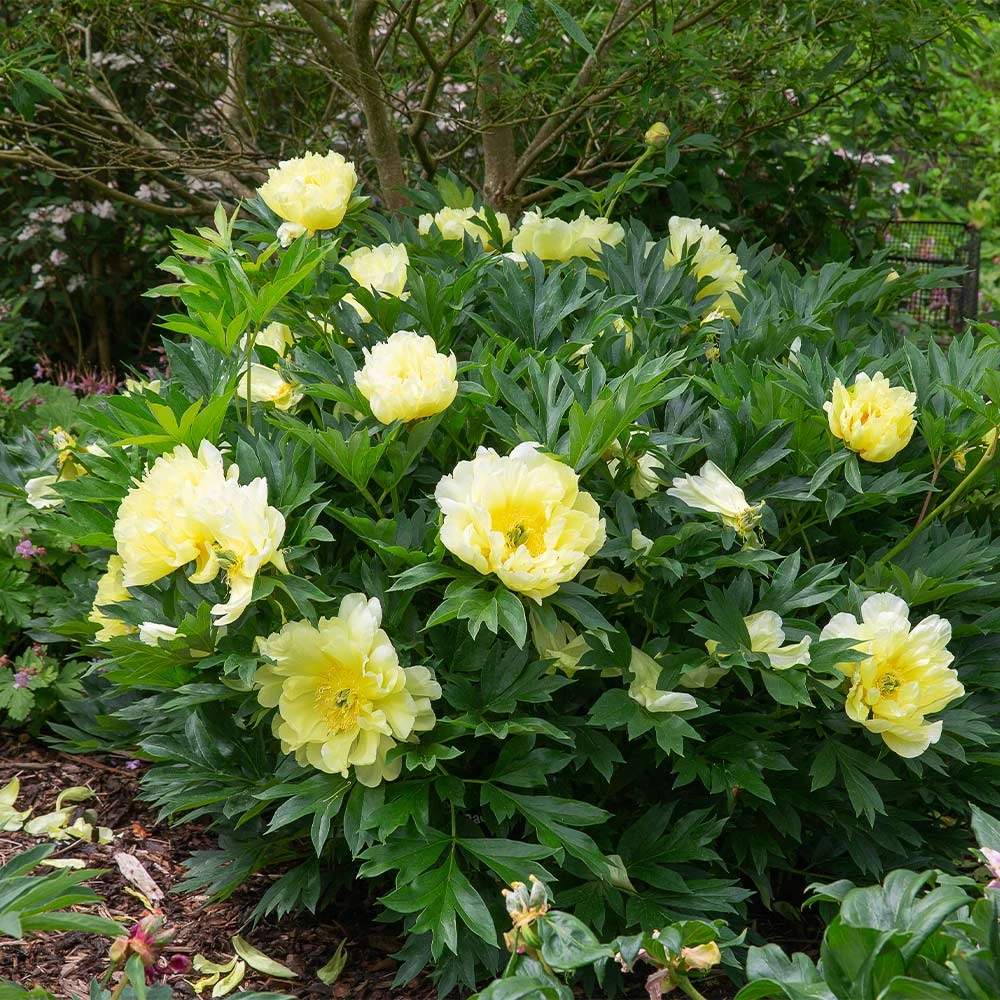
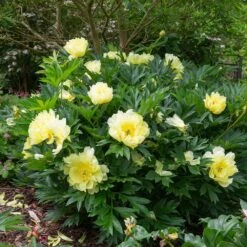
With a slightly spicy scent and huge, prolific blooms, the Bartzella Peony will bring joy and happiness to your space! This peony is a type of Itoh Peony – a cross between a herbaceous and woody peony. That means it’s a sturdy, vigorous plant that doesn’t require staking or heavy maintenance.
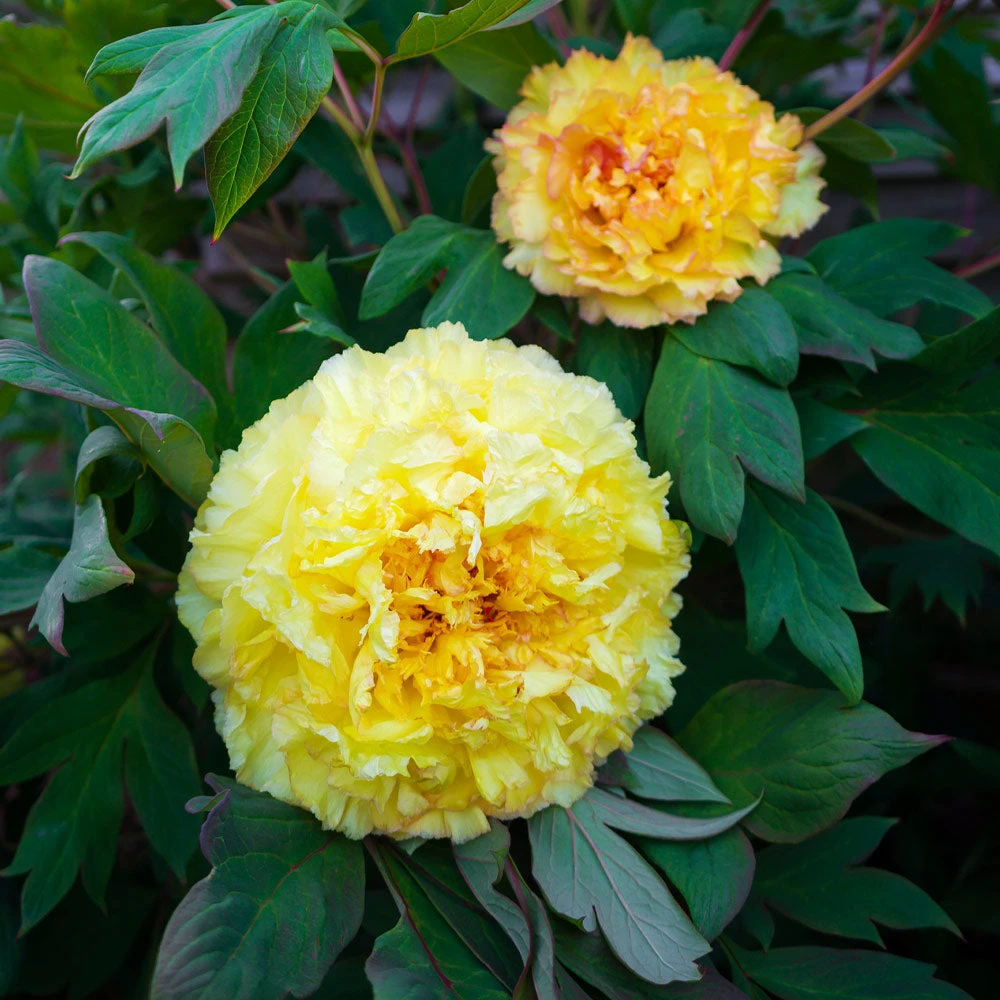
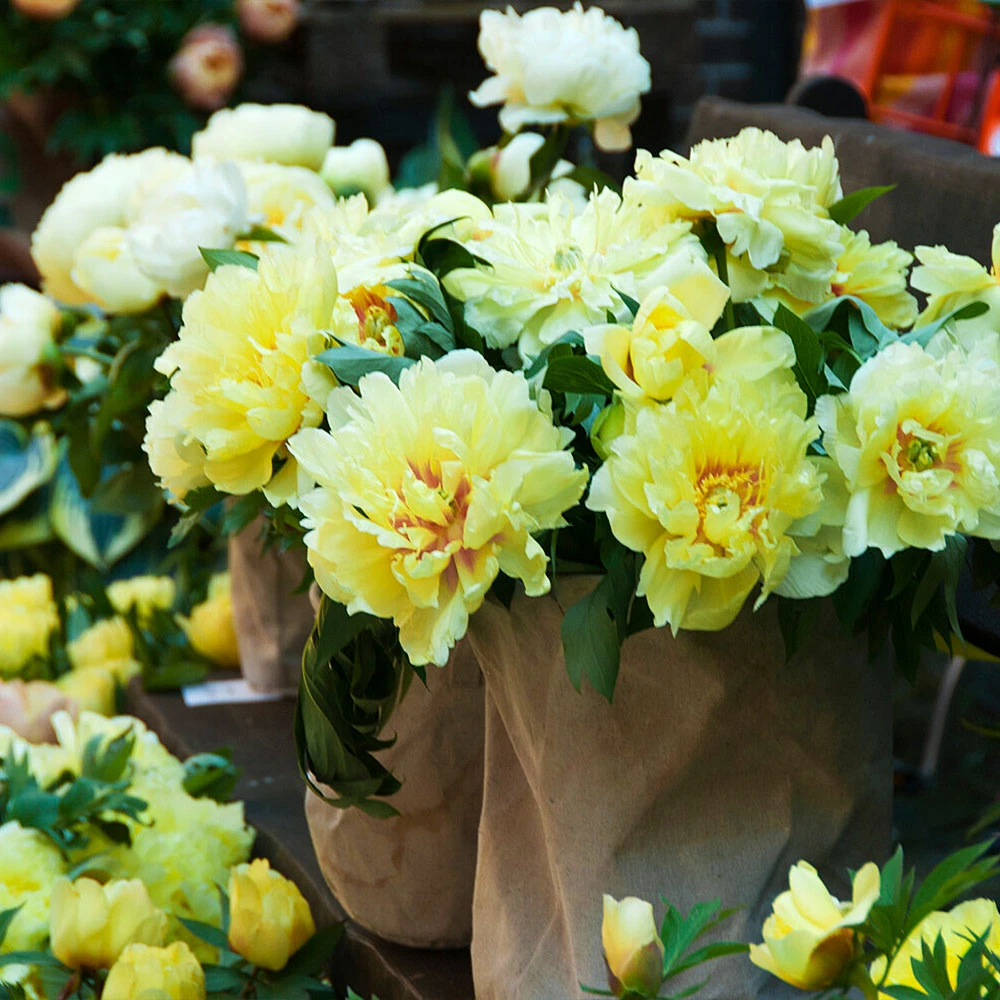
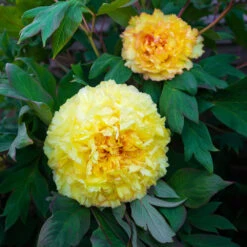
The Bartzella Peony blooms mid-season, during late spring to early summer, for 3 to 4 weeks. During this period, you’ll be delighted with large, double blooms in a bright, sunny yellow, with a faint red center. Within the first year of planting you can expect up to 30 blossoms – and a mature plant will set up to 60 blooms in ideal conditions!
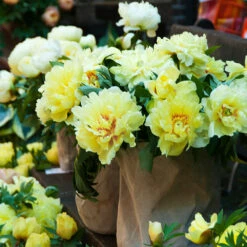
The foliage of the Bartzella Peony is a lush green with deep dissections, and remains vibrant on the plant until late fall. Plus, with sturdy stems and a longer-than-average vase life, the Bartzella Peony is also ideal for cut flowers, bringing color indoors and out.
If you’re looking for a plant for your patio, garden bed, or border, the Bartzella Peony is a lovely choice. The soft yellow flowers contrast against darker-toned foliage or backdrops, and create a sense of tranquility in cottage, Zen or Mediterranean gardens. The Bartzella Peony would be an alluring companion for plants like Hydrangea, Catmint, or Dianthus.
Order your Bartzella Peony today and enjoy beauty and convenience with this sturdy, yellow peony!
Planting & Care
1. Planting: Plant where it can receive full sun, although some partial shade is tolerated in the south and warmest areas of the west. Plant so that the buds at the top of the roots are pointing up. Cover with 1-2 inches of soil if you’re in the north, no more than one inch if you’re in the south.
2. Watering: Ensure moderate moisture and well-draining soil, about an inch of water per week throughout the growing season.
3. Fertilizing: An annual side-dressing of one inch of compost or aged manure will help this plant’s growth. No other fertilization is needed.
4. Pruning: Deadhead after flowering and cut back to the ground in winter after the first frost to encourage energy for next year.
| Title | 1 Gallon, 3 Gallon, 3 Gallon with Flower Support Stand |
|---|
Be the first to review “Bartzella Peony”
Related products
Reviews
There are no reviews yet.